 Appoint
Inside a Smog Check Station and a Tire Shop: A Photo and Video Tour
A California smog check on a 2000 or newer car is mostly a computer check: the inspector plugs the state BAR-OIS system into the OBD-II port under the dashboard, looks over the emission parts and checks the gas cap, then the result goes straight to the state. In a tire shop, a tire changer takes the old tire off the rim, a balancer spins the wheel to place small weights, and an alignment rack measures the wheel angles with sensors clamped to each wheel. The photos and videos below show each step.
Part 1: the smog check station
The inspection lane
Emission testing in the United States started in the 1970s with lanes like this one. Inspectors drove each car in, ran the engine and measured what came out of the tailpipe.
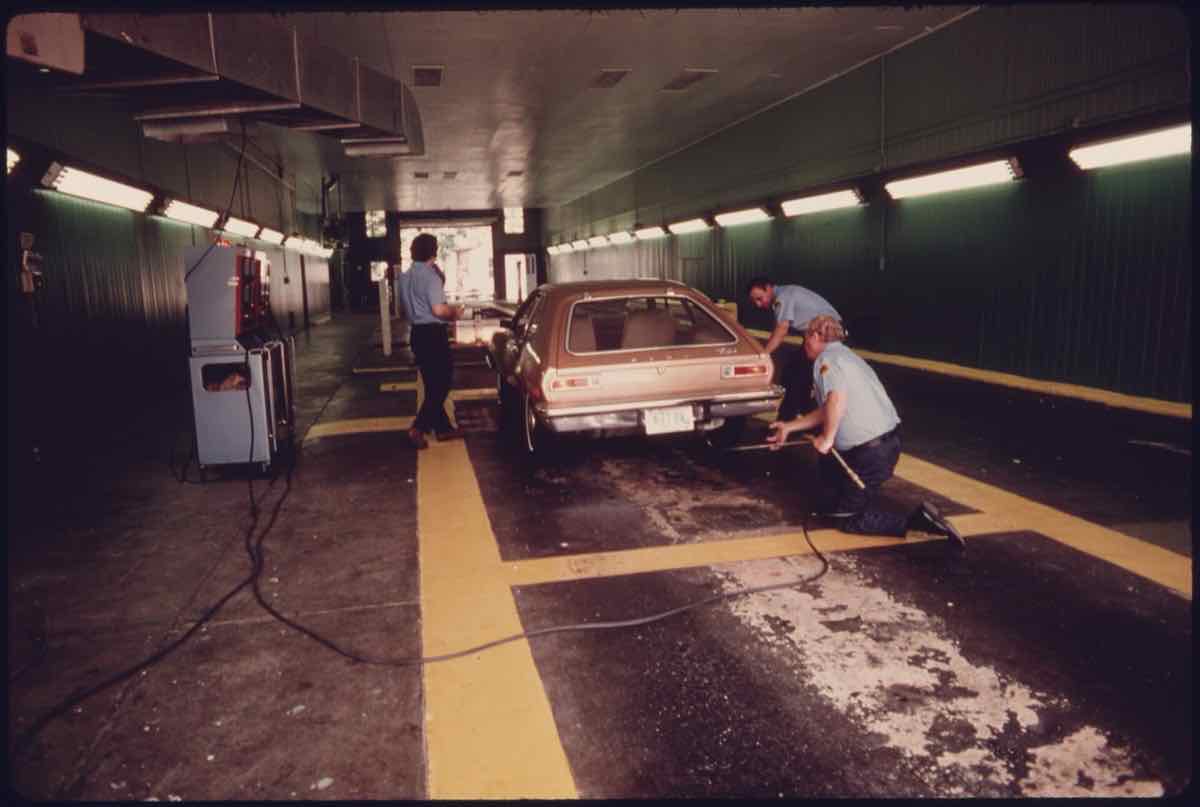
Tailpipe probe for older cars
A probe in the tailpipe measures hydrocarbons, carbon monoxide and other gases. In California, cars from 1999 and older still get a tailpipe test, so the visit takes longer and can cost more.
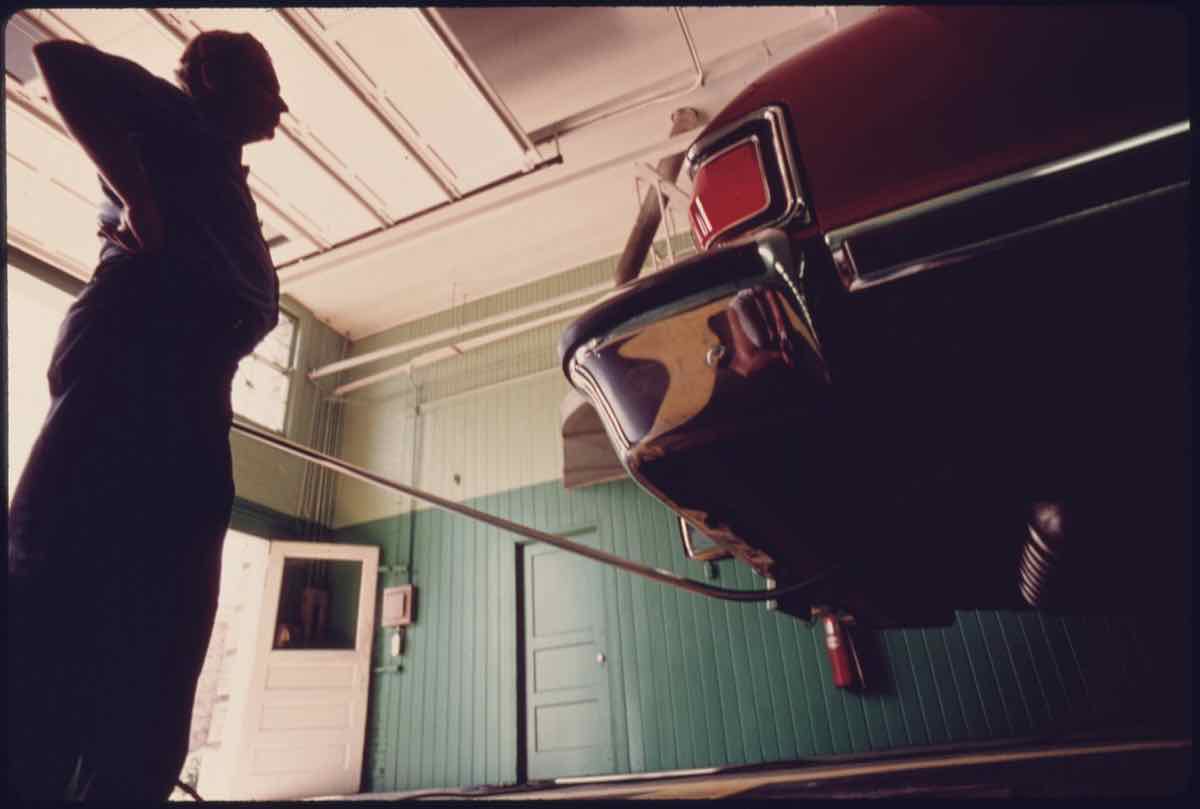
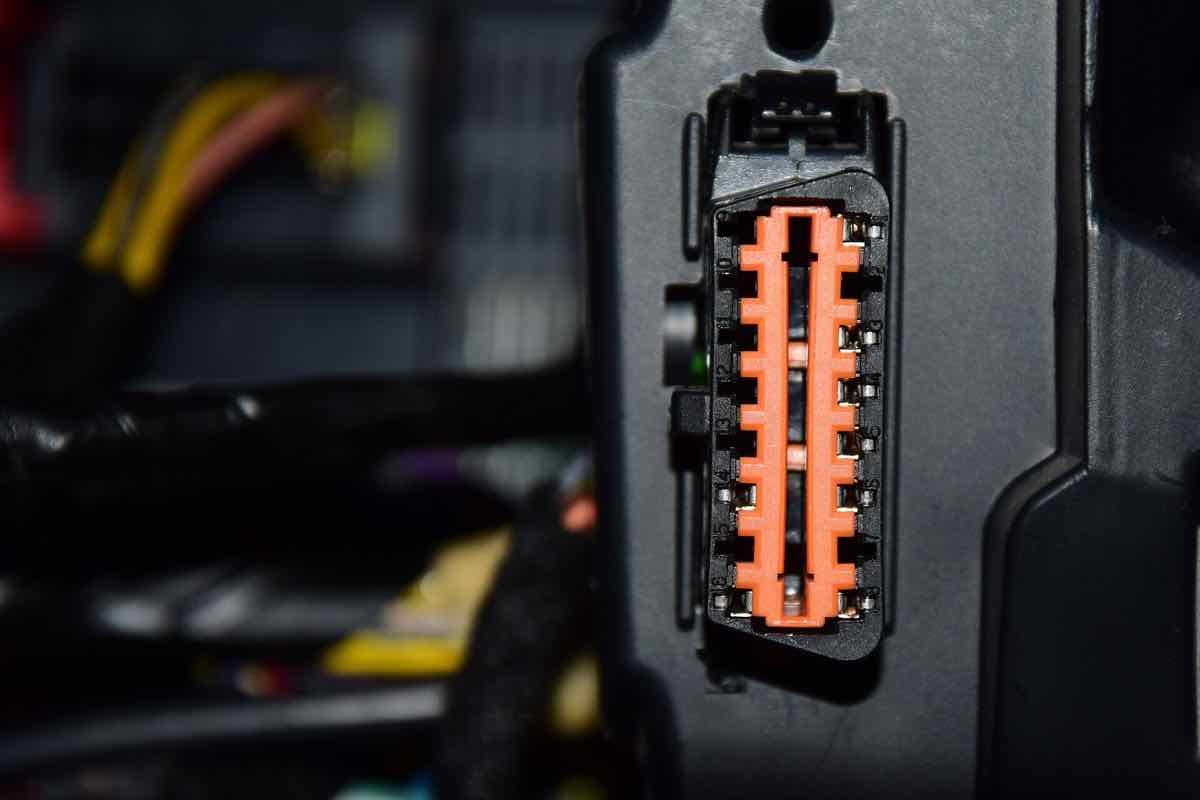
The plug-in test for 2000 and newer
Newer cars watch their own emissions. The inspector connects the state system to the OBD-II port, usually under the dashboard near the steering column, and reads whether the monitors are ready and whether there are stored trouble codes. That is why a check engine light or a recently disconnected battery can mean a fail.
 Smog Check Inspection Using the BAR-OIS
The result
The station sends a pass straight to the DMV, plus the $8.25 certificate. If the car fails, you get a report that lists why. Read what to do after a failed smog check, including state repair help.

 Regular Smog Check vs STAR Smog Check
Part 2: the tire shop
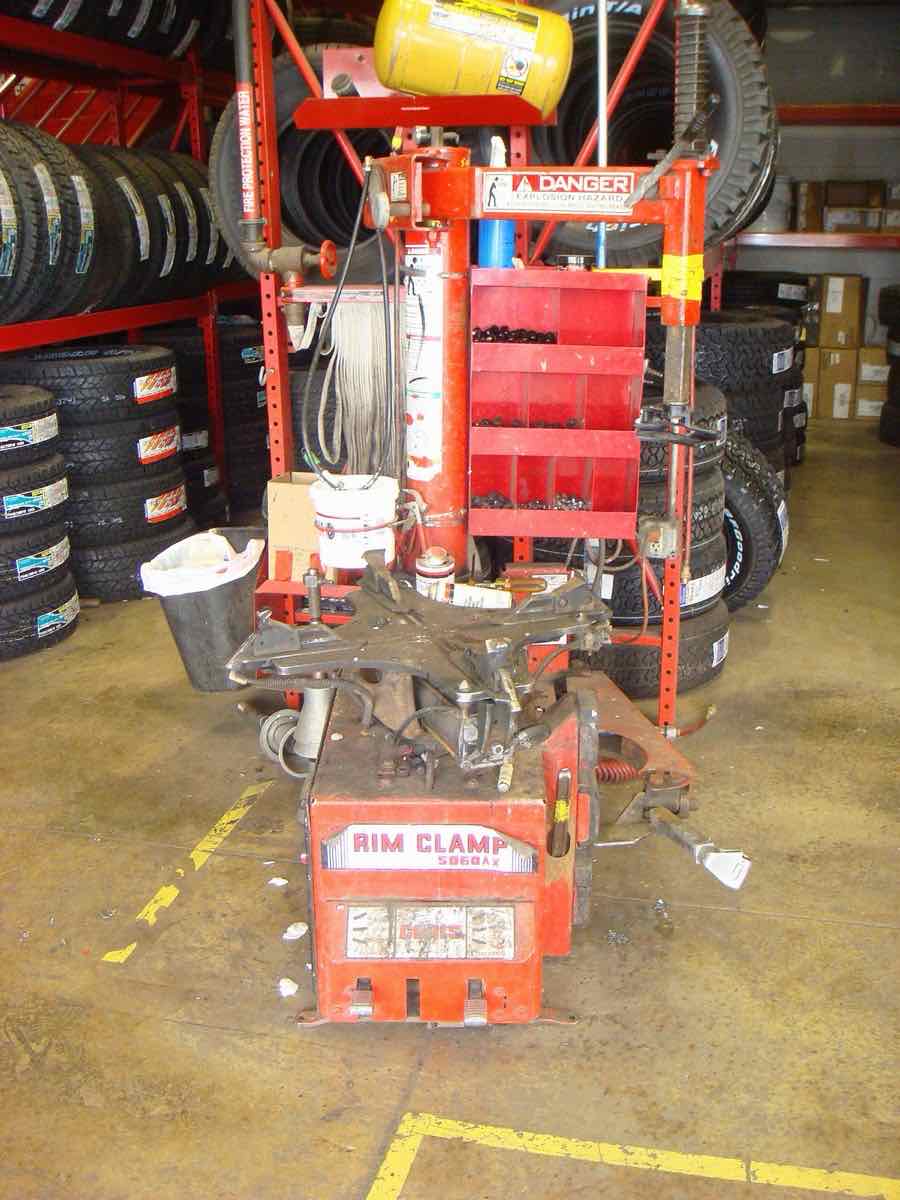
The bay
A typical tire bay has a tire changer, a wheel balancer, an air supply and racks of tires. Many shops also have an alignment rack.
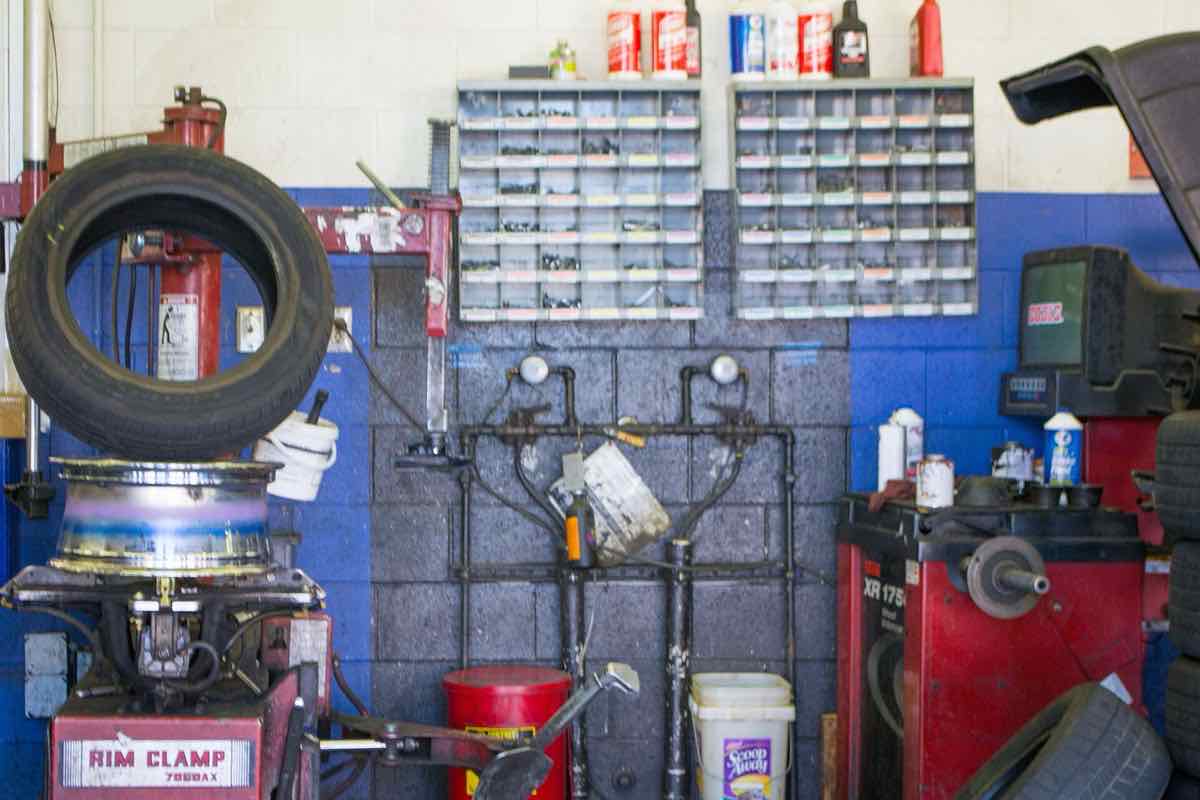
Mounting the tire
The tire changer clamps the wheel, breaks the bead and lifts the old tire off without scratching the rim. The new tire goes on the same way, then it is inflated to the pressure on your door-jamb sticker. Ask for new valve stems or TPMS service kits, which are often a small extra charge (see tire installation costs).
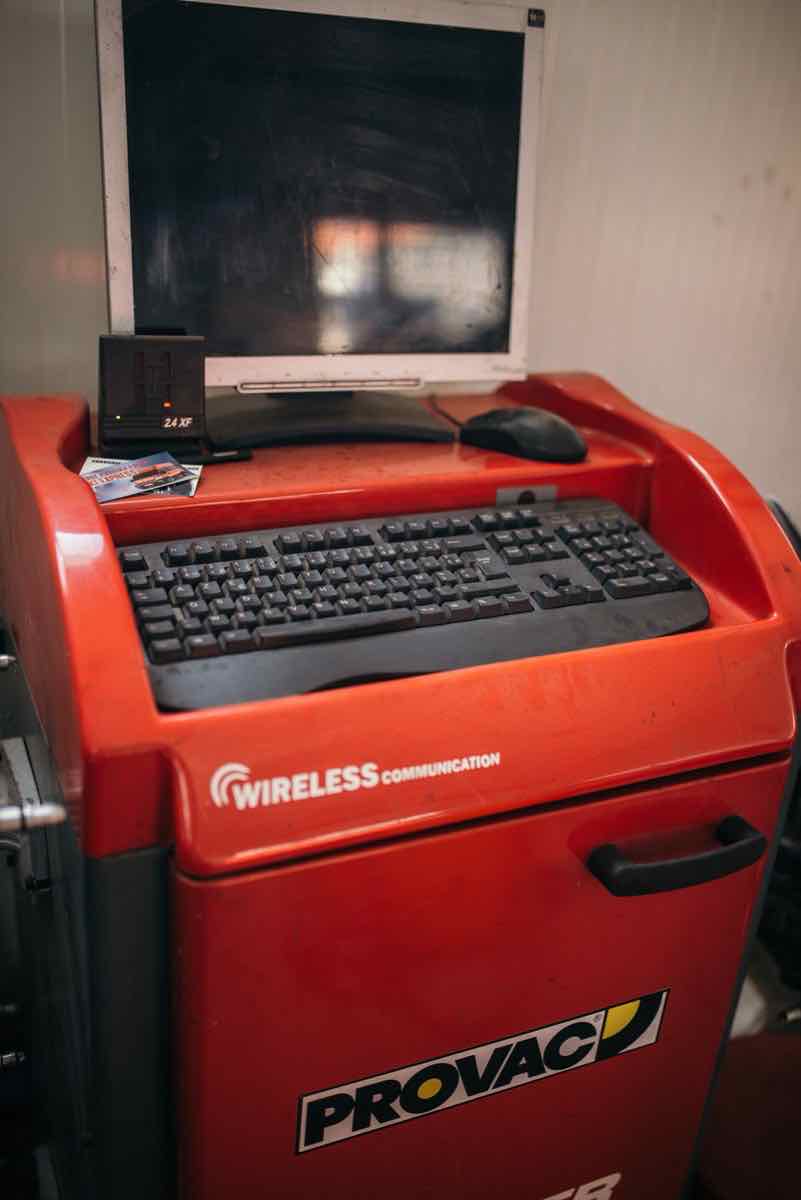
Balancing
The balancer spins the wheel and shows where small weights go so it rolls smoothly. Unbalanced wheels cause vibration at highway speeds.
 What is Tire Balancing?
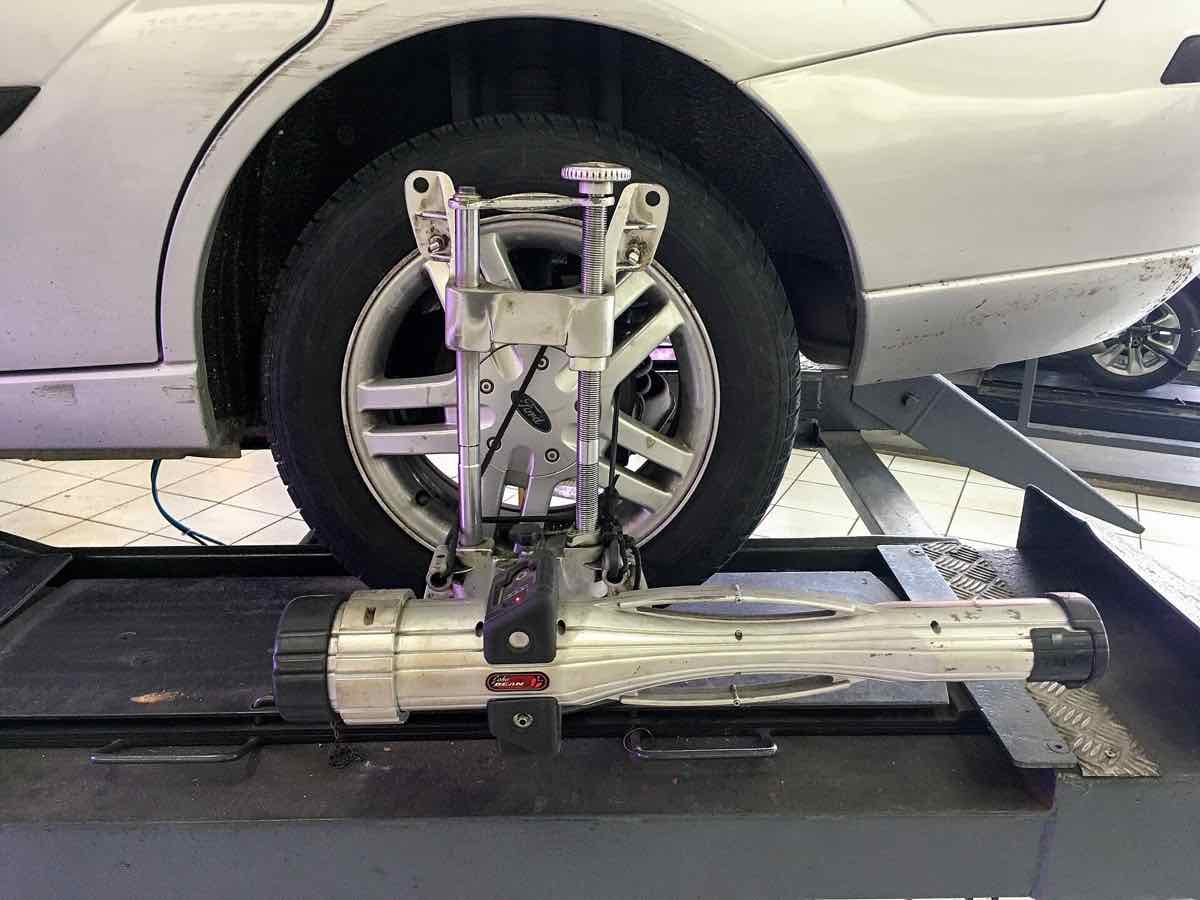
Alignment
Balancing is about the wheel. Alignment is about the angle of the wheel on the car. Sensors clamp to each wheel and the computer shows camber, caster and toe against the factory specification. More in balancing vs alignment.
 Why Do Cars Need Wheel Alignment?
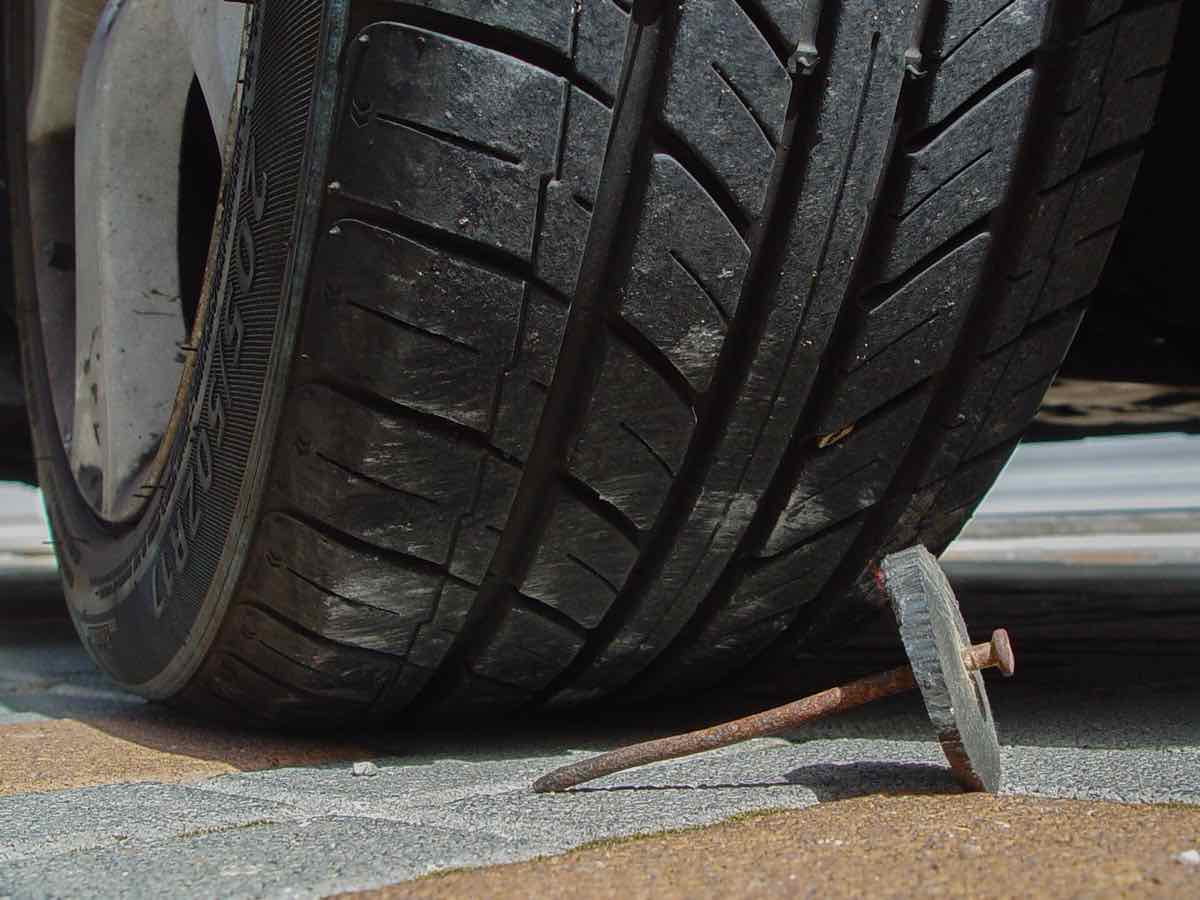
Puncture repair
A nail in the tread can usually be repaired if the hole is small and away from the sidewall. A proper repair is done from the inside with the tire off the rim, a patch and a plug together. The rules are in when a tire can be repaired.
 Tire Safety Starts with Proper Tire Repair
Checking tread and age
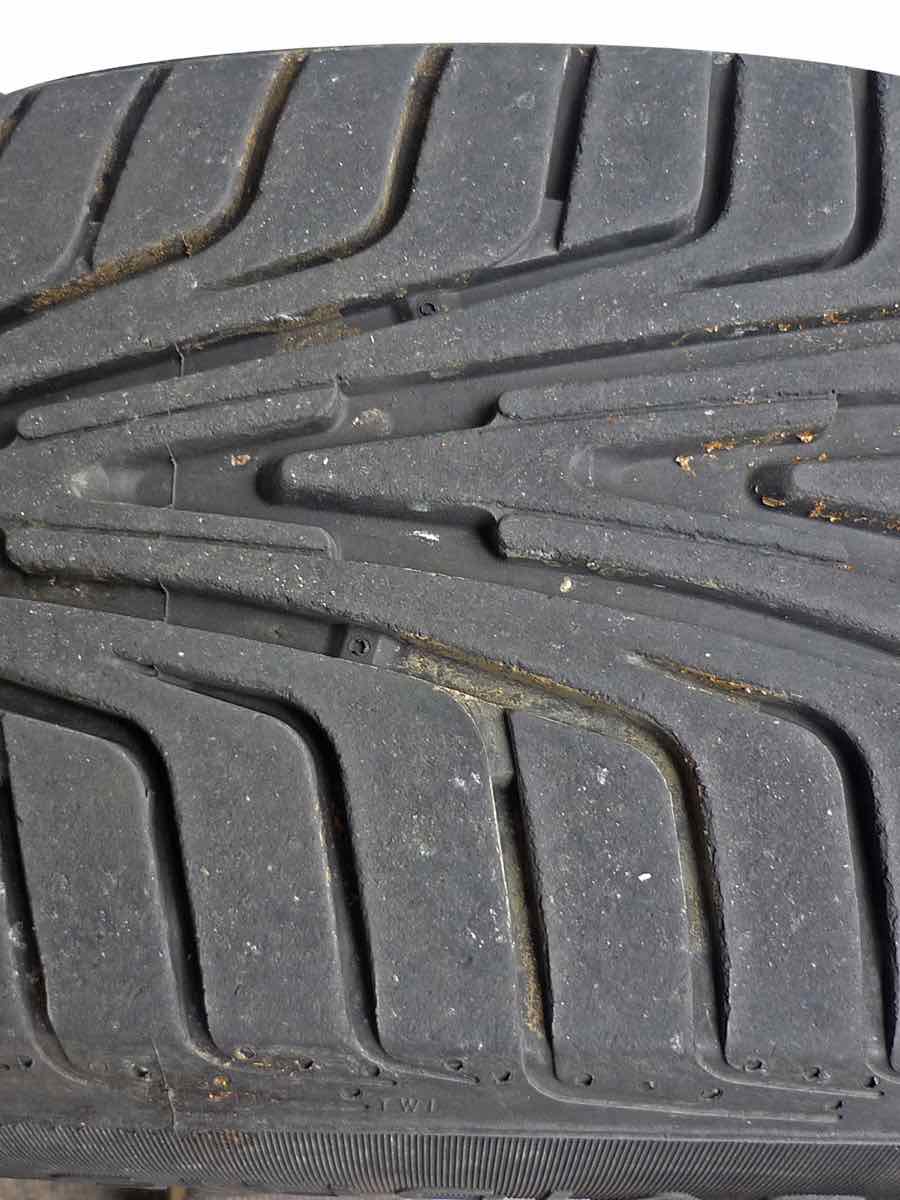
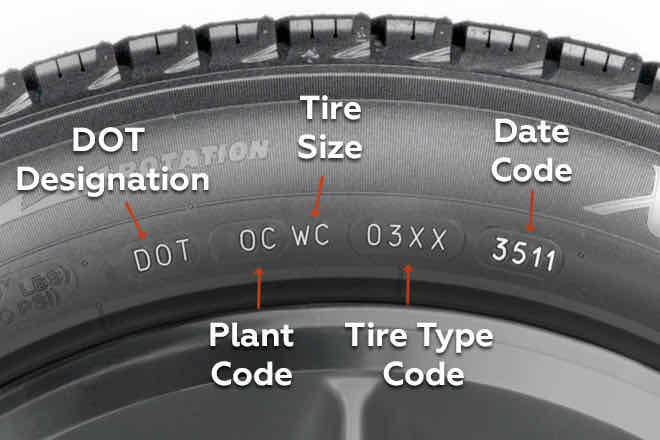
The raised bars in the grooves are tread wear indicators. When the tread is level with them, the tire is at 2/32 of an inch and must be replaced. The four-digit DOT date code on the sidewall tells you the week and year the tire was made.
 How to Measure Tire Tread Depth
Part 3: winter driving in California
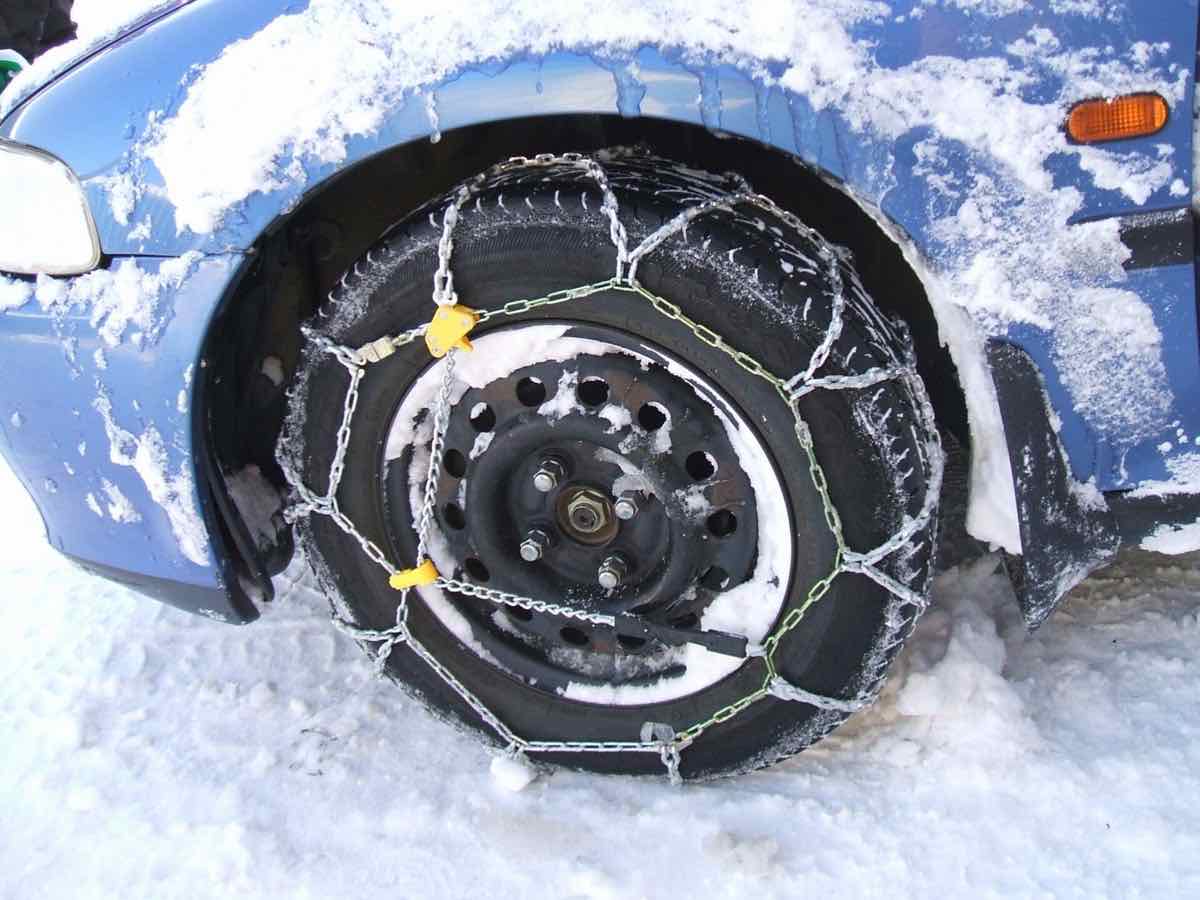
Mountain highways to Tahoe, Mammoth and Big Bear can have chain controls. Carry chains that fit your tire size and practice once at home. See California chain controls.
 Caltrans/CHP Chains Q&A
About these photos and videos
All photos are from Wikimedia Commons and are public domain or Creative Commons licensed; the author and license are under each picture. Videos play from their creators’ YouTube channels and load only when you press play. The 1975 smog photos come from the U.S. EPA DOCUMERICA project at the National Archives.
Find a shop
- Smog check in Los Angeles — 3 listings
- Smog check in Oakland — 3 listings
- Smog check in Sacramento — 3 listings
- Smog check in San Francisco — 3 listings
- Smog check in Sunnyvale — 3 listings
- Smog check in Anaheim — 2 listings
- Smog check in San Jose — 2 listings
- Smog check in Santa Clara — 1 listing
- Tire shops in Sacramento — 4 listings
- Tire shops in Anaheim — 3 listings
- Tire shops in Los Angeles — 3 listings
- Tire shops in Oakland — 3 listings
- Tire shops in San Diego — 3 listings
- Tire shops in San Francisco — 3 listings
- Tire shops in San Jose — 3 listings
- Tire shops in Sunnyvale — 3 listings
- Tire shops in Santa Clara — 1 listing
Frequently asked questions
How long does a smog check take?
For most cars from 2000 or newer, the test itself takes about 15 to 30 minutes. Older cars that need a tailpipe test take longer. Book a time or call ahead so you do not wait behind other cars.
Can I watch while the shop works on my car?
Many smog stations let you wait where you can see the lane. Tire shops usually keep customers out of the bay for safety, but most will show you a worn part or a puncture if you ask.
Why are some of the smog photos from 1975?
They come from the U.S. EPA DOCUMERICA project, which photographed one of the first emission inspection stations. They are in the public domain. Today’s California test uses the same idea, but newer cars are tested by plugging into their computer instead of only measuring the exhaust.
Who made these photos and videos?
The photos are from Wikimedia Commons and each one is credited with its author and license under the picture. The videos play from the YouTube channels of the Bureau of Automotive Repair, Caltrans, tire makers, the Tire Industry Association and Consumer Reports. AppointAuto is not affiliated with them.
Related guides
- How to Pass a California Smog Check: 10 Checks Before You Go — A practical pre-test checklist: check engine light, readiness monitors, gas cap, oil change, warm engine and the mistakes that make good cars fail.
- Tire Balancing vs Wheel Alignment: What Is the Difference? — Balancing fixes vibration by evening out weight around the wheel; alignment fixes pulling and uneven wear by correcting wheel angles. How to tell which one you need.
- Can My Tire Be Repaired? Puncture Repair Rules Explained — A puncture is repairable only in the tread and up to 1/4 inch, with a plug-and-patch from inside. Sidewall or shoulder damage means a new tire.